
 EN
EN
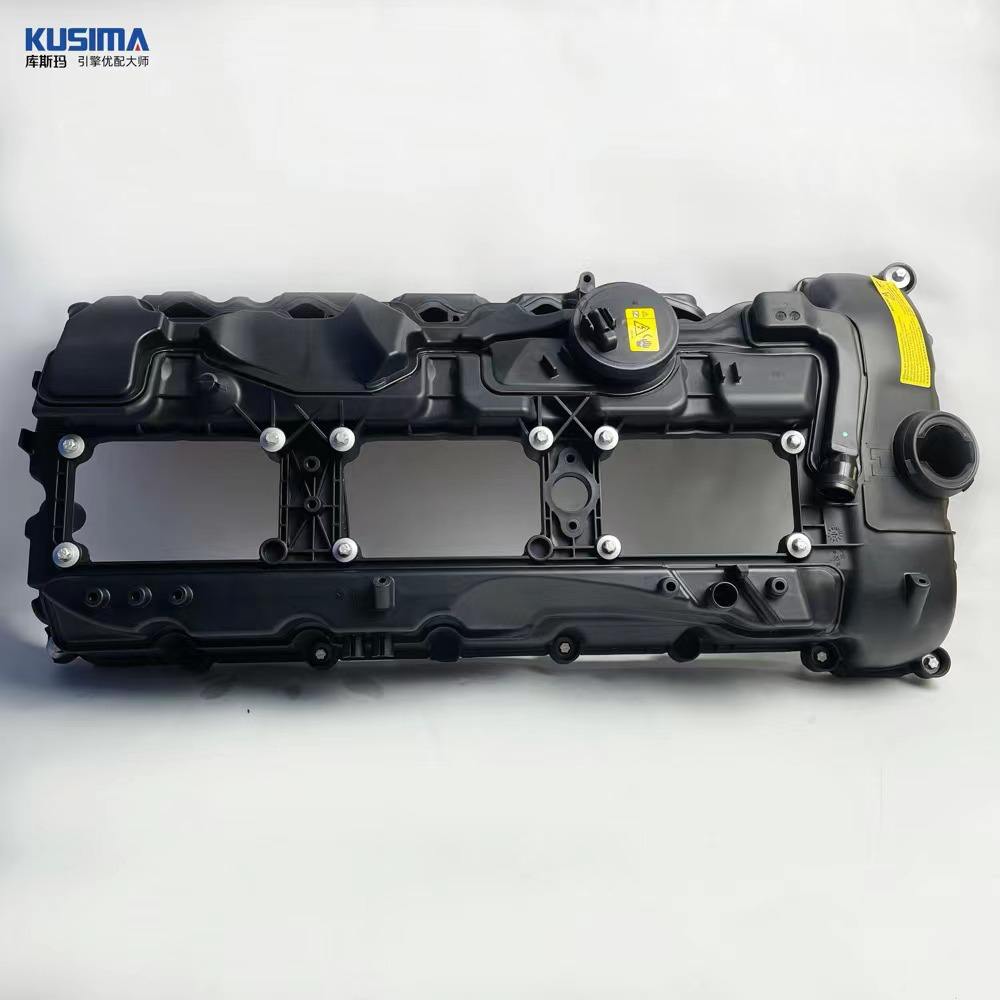
The part that does more than keep oil inside
Pop the hood of any modern engine and the valve cover is right there—usually the biggest, most visible component on top. Most drivers never think about it until it starts leaking. But the valve cover is not just an oil container with a fancy shape. It is the first line of defense between your valvetrain and everything that wants to destroy it.
The valvetrain—camshafts, rocker arms, lifters, valvesprings—operates with clearances measured in thousandths of an inch. A single grain of sand-sized debris getting into that environment can score a cam lobe or stick a lifter. The valve cover keeps that debris out. But the protection it provides goes far beyond simple physical barriers.
What the valve cover actually seals against
The valvetrain area is surprisingly vulnerable. Every time the engine breathes, air moves through the crankcase ventilation system. That air carries moisture from combustion blow-by. It carries unburned fuel vapor. It carries microscopic particles that slip past the air filter. Without a sealed cover, all of that gets deposited directly onto camshafts and rocker arms.
The valve cover creates a sealed environment with two jobs: keep contaminants out and keep oil in. But the "contaminants" category is broader than most people realize. Dust and dirt are obvious. Moisture is less obvious but equally damaging—it promotes sludge formation and accelerates corrosion on valvetrain components. Then there is the stuff that comes from inside the engine itself: oil mist that needs to be separated from blow-by gases before those gases get routed back through the intake.
A well-designed valve cover handles all of these through a combination of sealing surfaces, internal baffling, and integrated PCV passages.
The baffle system that most people never see
Look inside a factory valve cover and you will see more than just an empty shell. There are baffles—internal walls and chambers that serve a specific purpose. As the engine runs, the crankshaft throws oil around the crankcase. That oil becomes atomized into a fine mist. The mist gets carried upward by blow-by gases moving through the crankcase ventilation system.
Without baffles, that oil mist would travel straight into the PCV valve and from there into the intake manifold. The engine would burn its own oil. Over time, that leads to carbon buildup on intake valves, reduced compression, and a steady drop in octane tolerance.
The baffles force the oil-laden air to change direction multiple times. Each change in direction causes the heavier oil droplets to impact a surface and coalesce. The separated oil drains back down into the crankcase. The cleaned air continues to the PCV system. It is a simple principle—impingement separation—but it requires precise engineering to work effectively across the full RPM range.
A real case: the fleet that kept losing camshafts
A regional delivery fleet running gasoline V6 engines started seeing a pattern: camshaft wear at the number three and four cylinder positions, consistently around 70,000 miles. The fleet manager assumed it was an oil quality issue and switched to a premium synthetic. The problem continued.
An inspection of the valve covers told a different story. The PCV baffle on the number three cylinder side had a manufacturing flaw—a small burr that disrupted airflow and allowed oil mist to bypass the separation chamber. That oil mist carried fine abrasive particles—mostly silicon from dust that had entered through a compromised air intake—directly onto the camshaft lobes.
Replacing the valve covers with properly baffled units stopped the wear pattern. The oil analysis data showed a 40 percent drop in silicon particles in the next sampling interval. The camshafts that were already in service stopped deteriorating further. The fleet extended its engine refresh interval by 15,000 miles as a result.
The valve cover was not the obvious culprit. But it was the enabler.
What happens when the seal fails
The valve cover gasket is the most common failure point. Heat cycles cause the rubber or silicone material to harden and lose its resilience. When that happens, the seal breaks down in stages.
Stage one: minor seepage. Oil stains appear around the edge of the cover. No drips yet. Most shops ignore this.
Stage two: active leaking. Oil reaches the exhaust manifold and burns off. The driver notices a burning smell after hard acceleration or highway driving.
Stage three: oil in the spark plug wells. On engines with the spark plugs located under the valve cover, failed gaskets around the plug tubes allow oil to pool around the ignition coils. This causes misfires, rough idle, and in some cases, coil failure.
Stage four: contamination ingress. Once the seal is compromised, the protection works in reverse. Instead of keeping contaminants out, the cover now lets them in. Dust, moisture, and combustion byproducts enter the valvetrain area. Cam lobes start to score. Lifters begin to tick. Oil analysis shows elevated wear metals.
The progression from stage one to stage four can take 10,000 miles or it can take 500. It depends on operating conditions and how quickly the leak is addressed.
The ventilation role that gets overlooked
Beyond sealing and baffling, the valve cover plays a critical role in crankcase pressure management. Every engine produces blow-by—combustion gases that sneak past the piston rings and into the crankcase. Those gases need somewhere to go. If they build up, pressure increases, oil seals start to push out, and the engine develops leaks at places that have nothing to do with the valve cover.
The valve cover houses the PCV valve or provides the port where the PCV system connects. This connection allows the intake manifold vacuum to draw blow-by gases out of the crankcase and burn them in the combustion chamber. The baffles inside the cover ensure that oil stays behind while the gases move through.
A valve cover with compromised baffling or a blocked PCV passage creates a different problem: excessive crankcase pressure that forces oil past seals and gaskets throughout the engine. That is why replacing a leaking valve cover with an aftermarket unit that lacks proper internal baffling can actually make things worse—even if the new gasket seals perfectly.
Material choices and thermal management
Valve covers are made from stamped steel, cast aluminum, or composite plastics. Each material has tradeoffs that affect long-term protection.
Stamped steel is cheap and durable but prone to corrosion if the paint chips. Cast aluminum dissipates heat well and resists corrosion but costs more and can warp if overheated. Composite plastics are lightweight, resist corrosion, and can be molded with complex baffle geometries that metal covers cannot match. However, composites can become brittle with age and exposure to engine bay heat.
The sealing surface is where material choice really matters. Aluminum and composite covers typically use a rubber or silicone gasket that fits into a groove. Steel covers often use a cork or rubber gasket that compresses between two flat surfaces. The groove design provides better gasket retention and more consistent clamping pressure across thermal cycles.
When protection is not enough
No valve cover can protect a valvetrain from neglect. If the PCV system is clogged, pressure builds and oil gets pushed past seals regardless of how well the cover seals. If the air filter is compromised, abrasive particles enter the crankcase through the breather hose and the valve cover cannot stop them—they are already inside the system.
The valve cover is a critical component, but it is part of a system. The PCV valve needs replacement at recommended intervals. The breather hoses need inspection for cracks. The air filter needs regular service. A perfect valve cover on a neglected engine is like a locked door on a house with open windows.
That said, a poorly designed or damaged valve cover will compromise even a well-maintained engine. The baffles matter. The gasket material matters. The PCV port design matters.
What to look for in a replacement cover
When replacing a valve cover, the visible quality tells a lot. Look at the gasket groove—is it cleanly machined or rough? Look at the baffle welds or attachment points—are they solid or flimsy? Check the PCV port—is it properly sized and positioned to match the original?
A replacement cover that matches OEM specifications for baffle design, gasket fit, and PCV port location will maintain the same level of protection as the original. A cover that cuts corners on any of these details will reduce protection, even if it bolts on and does not leak.
For shops and fleet operators, the cost difference between a quality cover and a cheap one is small compared to the cost of a camshaft replacement. The valvetrain lives or dies by the quality of its cover.
Hebei Haodun Auto Parts Sales Co., Ltd. supplies valve covers that incorporate the baffle designs and sealing geometries required to maintain valvetrain protection across the full service life of the engine, with quality control processes that verify fit and function before shipment.
Table of Contents
- The part that does more than keep oil inside
- What the valve cover actually seals against
- The baffle system that most people never see
- A real case: the fleet that kept losing camshafts
- What happens when the seal fails
- The ventilation role that gets overlooked
- Material choices and thermal management
- When protection is not enough
- What to look for in a replacement cover